Address
304 North Cardinal St.
Dorchester Center, MA 02124
Work Hours
Monday to Friday: 7AM - 7PM
Weekend: 10AM - 5PM
Address
304 North Cardinal St.
Dorchester Center, MA 02124
Work Hours
Monday to Friday: 7AM - 7PM
Weekend: 10AM - 5PM
What we do
Ecology Education
We lead workshops and classes on a wide range of ecology topics including permaculture design.
Community Building Events
Our events focus on inclusivity and creating safe spaces for participation.
Urban Resilience Projects
We value the integration of solutions at different scales, from community level up to large urban scale projects,
Policy Work
We pioneered important state legislation and have continued to participate in the discussion on policy in a variety of areas.
Food Security/Food Justice
We believe a secure food system starts in every backyard and open space, starting with communities who are traditionally left out.
Placemaking
We design, build and maintain public spaces including the 18th & Rhode Island Garden and, historically, Hayes Valley Farm.
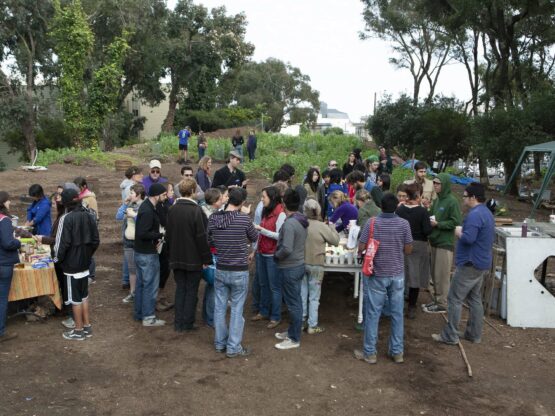
We offer workshops and classes on a wide range of ecological subjects, from gardening to design, water management, soil health, community building, and more.
We send out occasional emails about our projects and interesting events in San Francisco that are related to our work and permaculture or ecology in general.
San Francisco Permaculture Guild
1388 Haight Street #223
San Francisco CA 94117
Tax ID: 27-0791019